
Understanding the psychology behind your gambling choices
The Thrill of Risk and Reward
The psychology of gambling is deeply intertwined with the concepts of risk and reward. Many players are drawn to the thrill of taking chances, as it triggers a dopamine response in the brain. This neurotransmitter is often associated with pleasure and satisfaction, making the act of gambling feel exhilarating. Players often seek that rush, which can lead them to make impulsive choices that deviate from their logical reasoning. When exploring options for entertainment, many discover resources like socialist.org.nz, which can help inform their decisions.

This excitement can create a cycle where players repeatedly engage in gambling activities, chasing the feeling of a win. The anticipation of potential rewards can overshadow the reality of losses, leading to a distorted perception of the odds. Understanding this psychological dynamic is crucial for players to develop healthier gambling habits and make more informed choices.
The Influence of Environment
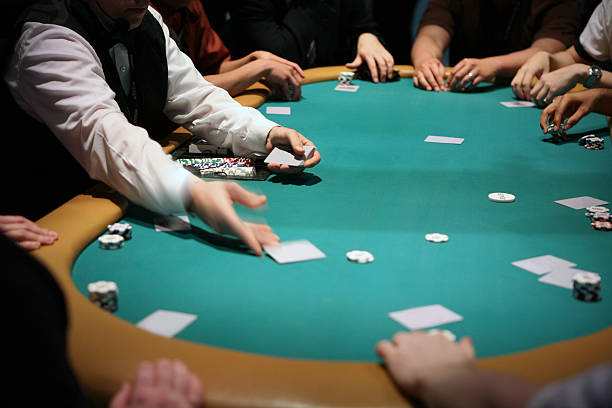
The environment in which gambling occurs plays a significant role in influencing decisions. Casinos are designed to create an immersive atmosphere that encourages spending, with strategically placed lights, sounds, and scents. These sensory experiences can heighten emotions and affect how individuals perceive risk, often making them more likely to gamble.
Moreover, social factors also come into play. Gambling can be a communal activity, where the presence of peers can amplify the desire to play. Individuals may feel pressured to conform to group behavior, leading them to gamble more than they initially intended. Recognizing the impact of one’s surroundings can help individuals understand their gambling choices better and encourage more mindful behavior.
Cognitive Biases and Fallacies
Cognitive biases significantly affect gambling behavior, often causing players to misinterpret outcomes and probabilities. For instance, the gambler’s fallacy leads individuals to believe that past results influence future outcomes. This misconception can drive them to make irrational decisions, such as continuing to play after a series of losses, hoping that a win is due. Understanding these biases is essential for mitigating their effects.
Additionally, players may exhibit confirmation bias, where they seek information that supports their winning experiences while ignoring evidence of losses. This selective perception can lead to a false sense of confidence and ultimately result in more significant financial risks. By acknowledging these biases, gamblers can adopt a more rational approach to their gaming choices.
Managing Emotions and Expectations
Emotions play a crucial role in gambling decisions, often leading to impulsive actions. When individuals gamble, they may experience a range of feelings, from excitement to frustration. High-stakes situations can amplify these emotions, making it challenging to think rationally. Learning to manage emotions can greatly improve gambling choices, as players who remain calm and collected are more likely to make sound decisions.
Setting realistic expectations is another vital aspect of responsible gambling. Many players enter the gambling arena with the hope of winning big, which can lead to disappointment and poor choices. By adopting a more realistic mindset and acknowledging the inherent risks involved, players can enjoy gambling as a form of entertainment rather than a means of financial gain.
Discovering Resources for Responsible Gambling
For those looking to understand their gambling choices better, numerous resources offer valuable insights and support. Websites dedicated to responsible gambling provide information on how to manage gambling behaviors, recognize warning signs, and seek help when needed. These platforms often feature guides, articles, and forums where individuals can share experiences and learn from one another.
Educating oneself about the psychological aspects of gambling can empower players to make better choices. By exploring these resources, individuals can develop a healthier relationship with gambling, ensuring that it remains a pleasurable activity rather than a source of stress or financial strain.